Categories
Which types of building facade lighting designs do you prefer?
Apr 23rd,2026
12 Views
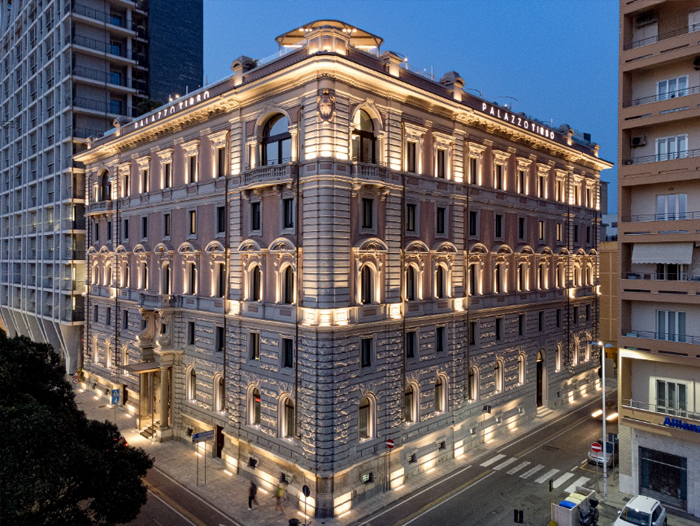 When it comes to a city’s overall impression, its nighttime scenery is crucial. Facade lighting is not merely about illuminating buildings; it also requires selecting the appropriate lighting methods and fixtures based on different facade types. In addition, there are many other key points to consider and practical tips you may not be aware of. Whether you’re a lighting designer or a building owner, reading this article will help you learn more about facade lighting!
What is facade lighting? Why is it important?
When we talk about facade lighting, we are typically referring to the illumination of a building’s exterior walls. In addition to exterior lighting, facade lighting can also include the illumination of interior walls. The goal of facade lighting is to install lighting fixtures along the building’s exterior edges to provide an aesthetically pleasing illumination at night. The lighting should complement the building’s architectural style, blend with the surrounding environment, and create a sense of depth. Lighting can be bright or subdued, dynamic or static, and designed to highlight points, lines, or surfaces. Furthermore, appropriate lighting helps pedestrians and vehicles see their surroundings and obstacles more clearly, thereby reducing the risk of accidents.
4 Methods of Façade Lighting
Flood lighting
Flood lighting is typically used to illuminate the main facades, sides, and outlines of buildings.
For main facade lighting, especially when the facade is largely flat, we typically use floodlights with a medium beam (beam angle between 30° and 70°) or a wide beam (beam angle >70°). When illuminating sides or outlines, floodlights are typically medium-beam or narrow-beam fixtures (with beam angles between 10° and 30°). When highlighting a specific feature of a building’s facade, we use narrow-beam or ultra-narrow-beam fixtures (with a beam angle of 5°).
Floodlights include round and square models. Round floodlights typically have a smaller beam angle, a well-defined direction, and provide symmetrical illumination. Square floodlights have a larger beam angle, cover a wider area, and provide asymmetrical illumination. We select the type of floodlight based on the type of facade and the specific elements we wish to highlight.
Interior lighting
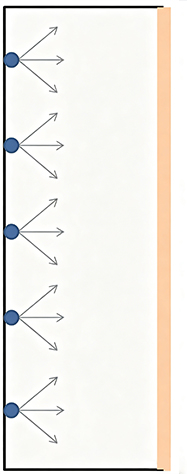
Internal space lighting refers to the use of openings, gaps, and windows in a building to transmit light from the interior to the exterior facade. This lighting method is particularly suitable for building facades that feature glass curtain walls and have a large area of translucent surfaces. We can achieve this lighting by reflecting indoor light or by directing light outward.
Transparent exterior walls typically have a backing panel behind them. Since direct illumination of the transparent wall itself does not illuminate it, we instead illuminate the backing panel. Lighting fixtures can be placed at the bottom and directed toward the backing panel. If there is a gap at the bottom, it will be easier to maintain the fixtures.
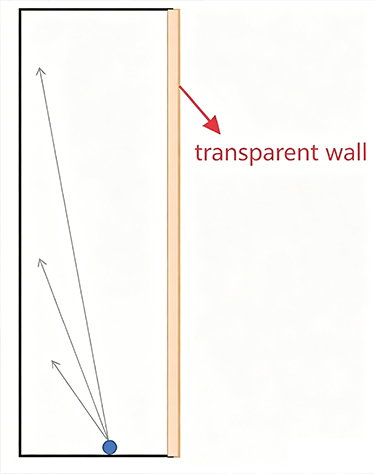
If the exterior wall material is not transparent but rather frosted or off-white, you can direct lighting directly at the wall. When illuminating from below, we typically use fixtures with a narrow or medium beam angle.

If the exterior walls are not very transparent, the interior is largely invisible from the outside. We will use light boxes to project parallel light onto the exterior walls. When servicing the lighting fixtures, the back panels must be removed.
Accent lighting
Accent lighting increases the illuminance of specific areas or objects, making them brighter than the surrounding areas. Its purpose is to highlight a particular part of a building, such as a sculpture. The lighting characteristics, brightness, and color of accent lighting should harmonize with the building as a whole. Generally, building facades feature protruding and recessed sections, which facilitate the installation of lighting fixtures. Installing fixtures behind the illuminated object can enhance the sense of volume and depth. Using recessed ground lights to project light upward can make the building’s structure more prominent. These fixtures typically feature a narrow beam angle and low power consumption, yet they can produce rich lighting effects. This approach helps prevent glare and conserve energy.
Contour lighting
Contour lighting involves installing linear fixtures along the exterior contours of a building to highlight its overall lines. This lighting method works particularly well on buildings with distinct contour lines. Today, linear contour lighting is very popular due to its energy efficiency, simple design, and ease of installation and maintenance. It should be used selectively within a building rather than applied on a large scale. The brightness of the linear fixtures should be appropriately adjusted to match the brightness of other areas, thereby enhancing the sense of depth. Furthermore, the use of colored linear lighting requires careful consideration, as it may affect other lighting designs.
When used on its own, outline lighting cannot achieve the same effect as flood lighting. It is also not suitable for super-tall buildings, as maintenance may be difficult. Outline lighting is best used as a supplementary lighting method to highlight buildings with distinctive contours.

What types of lighting fixtures are used for facade lighting?
LED Flood Light
LED floodlights can illuminate an entire wall or column. They typically have a beam angle of 80 to 120 degrees. Common power ratings range from 50 to 150 watts.
LED linear light
LED linear lights are typically used to illuminate the outer edges of a building's silhouette. Rather than projecting light, they create the building's outline by emitting light from within.
LED spotlights
LED spotlights are typically used for accent lighting. Compared to floodlights, they have a narrower beam angle, directing light in a specific direction to illuminate a surface.
RGB LED lights
Facade lighting is typically colorful, achieved using RGB LED lights. Through pre-programmed sequences, RGB LED lights can produce dynamic, colorful lighting effects. Floodlights, linear lights, spotlights, and other fixtures can all use RGB LED chips to emit light in various colors.
Best Lighting Practices for 7 Different Facades
Floor Plan and Elevation
We often use floodlighting for building facades. As the building rises, the brightness on the facade gradually fades into the dark night sky. For facades without texture, the light patterns themselves form a key visual element. Commonly used fixtures include floodlights and wall sconces.
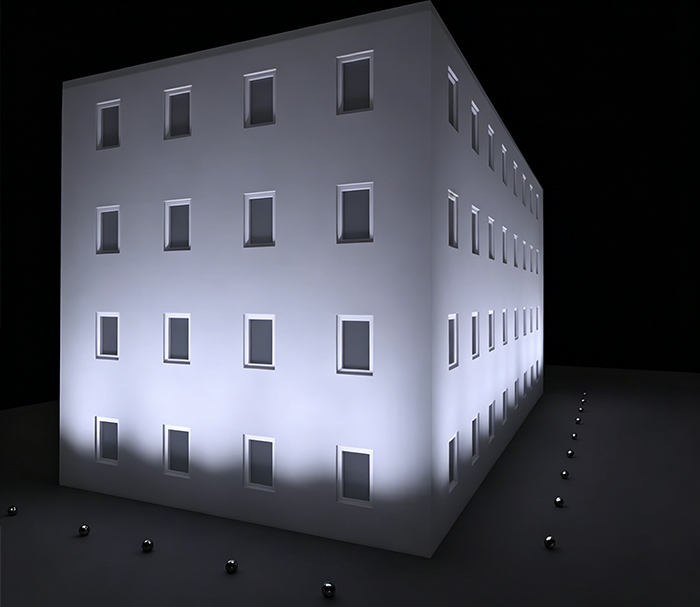
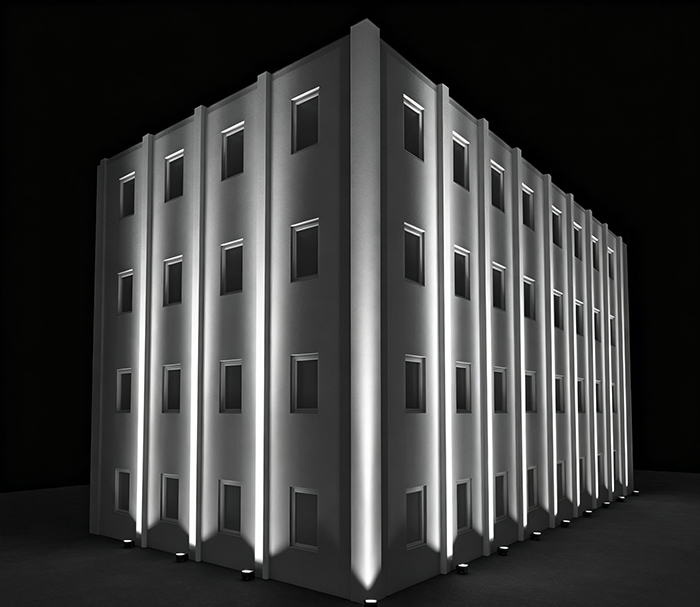
Vertically segmented facade
Using a narrow beam of light can enhance the vertical segmentation effect. The lighting fixtures should emit light parallel to the facade to prevent shadows from forming.
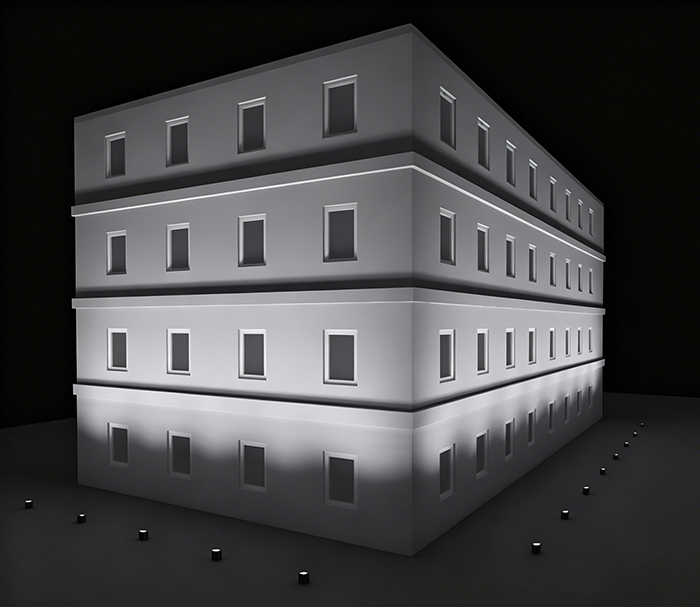
Horizontal Section
Upward-facing floodlights positioned close to the facade can enhance its three-dimensional effect. Increasing the distance between the fixtures and the facade can reduce the shadows cast by protruding elements. Sometimes, we use linear LED lights on horizontal structural elements to highlight the building’s divisions.
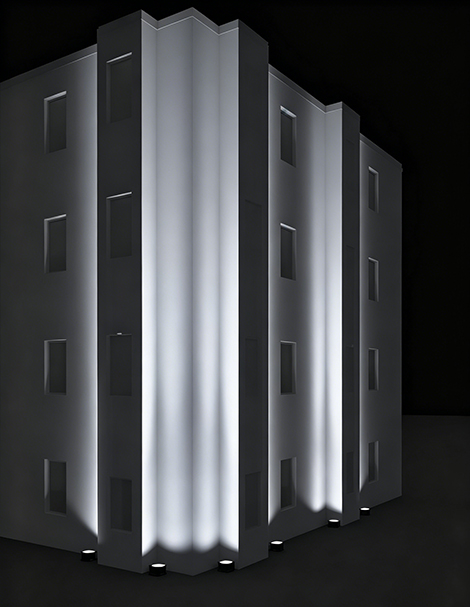
Textured facade
Generally speaking, we should use lighting of varying brightness or color on different parts of a textured facade to enhance the building’s three-dimensional effect. We do not recommend using wide-beam floodlights, as they diminish the contrast between the textured and flat surfaces, making the building appear flat.
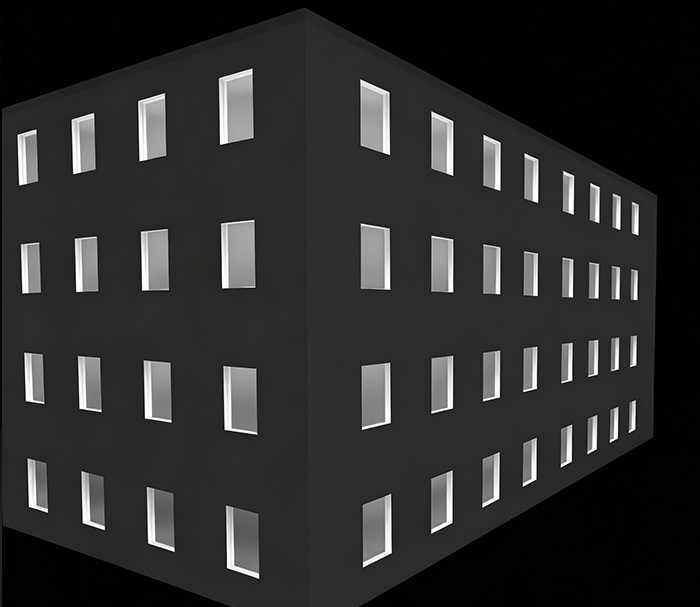
Multi-window interface
For this type of facade lighting, we typically opt for interior lighting. The lights installed inside should not cause glare for pedestrians. Generally, we illuminate the area near the windows while also lighting up the exterior facade.
Striped Layered Façade
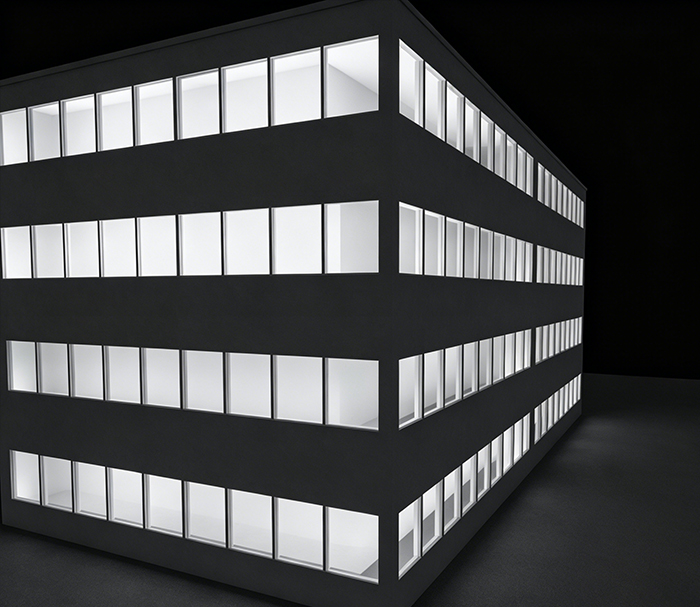
For the striped, layered facade, we use interior lighting to enhance the building’s presence at night and create a contrast between the bright windows and the dark facade.
Transparent glass curtain wall facade
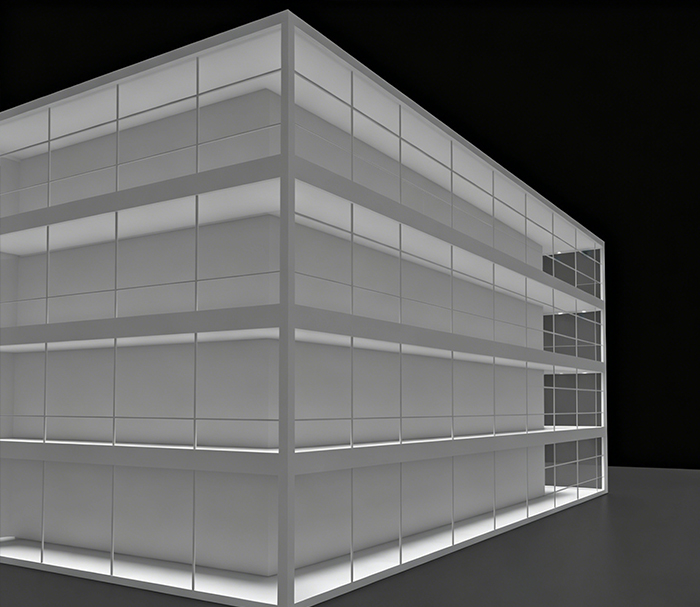
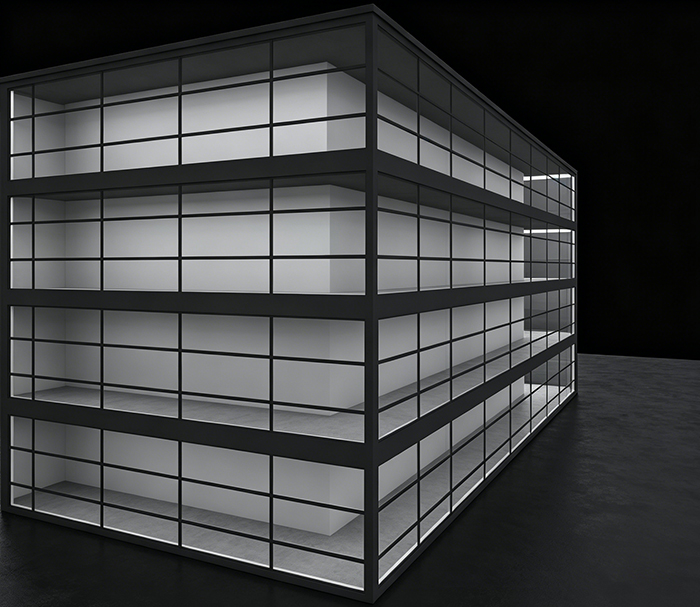
During the day, the transparent building facade appears dark and reflects the surrounding environment. Interior lighting allows people to clearly see inside the building. Lighting installed in the interior ceilings will enhance their visual presence. Linear lighting on the ceilings of each floor will make the building’s horizontal structure more prominent.
Above, we’ve discussed four methods for illuminating building facades, four recommended lighting fixtures, and seven common types of facades. Have you taken note of all of them? As you can see, facade lighting can be a bit complex—which is why you need advice from a lighting expert.
